

Modern home audio is often a connected system shared across rooms, routines, and users. Yet its physical controls remain designed for individual speakers, pushing most system-wide interactions onto a personal phone.
This concept explores how interchangeable modules could give each speaker a more purposeful role within the larger system.
This project investigated how AI could strengthen a traditional industrial design process without replacing designer judgment. I experimented with AI-assisted research workflows and Vizcom ideation before using Rhino and Grasshopper to refine the concept into a believable concept.
Research Discovery
Research Synthesis
Opportunity Identification
Early Ideation
Research Discovery
Chat GPT
Helped divide the project into focused research phases and develop the questions for each one. It created the initial framework used throughout the process.
Claude
Reviewed the longer reports and compared conclusions across the research areas. It helped identify repeated patterns, contradictions, and weaker assumptions.
Notebook LM
Combined the completed reports into one source-grounded research library. It helped extract the most important insights, design criteria, and opportunities for the project.
This phase built a broad understanding of the home-audio market, user behaviors, and existing technology. Connecting these findings revealed recurring frustrations and unmet needs, helping ground the modular system in meaningful opportunities rather than assumptions.
Research combined official product information, professional testing, owner feedback, technical documentation, and academic and industry sources.
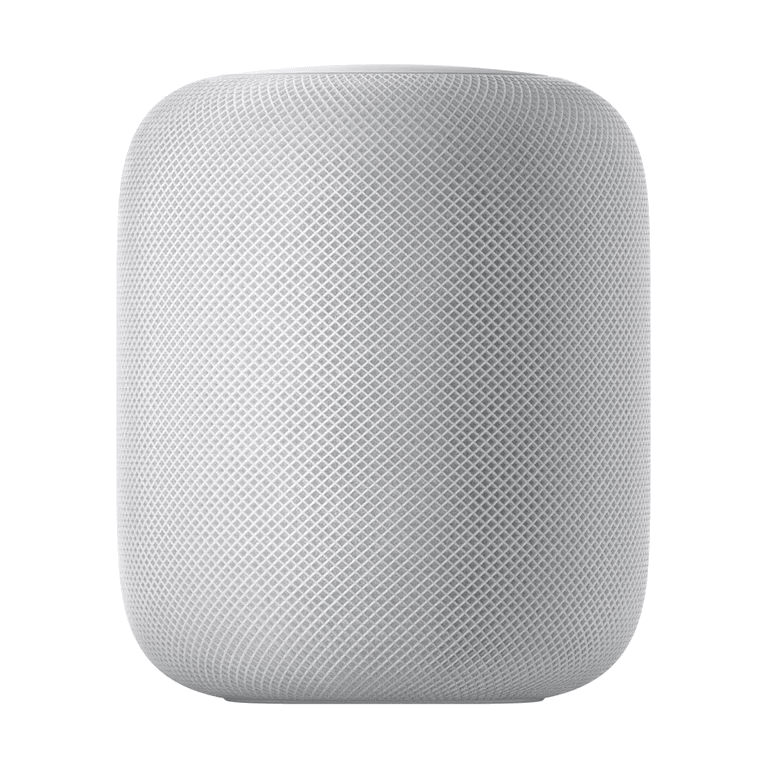
Apple HomePod 2
Strength: Automatic room sensing and Apple integration make setup and everyday playback feel effortless.
Weakness: Setup requires an iPhone or iPad, creating friction for guests and mixed-platform households.

Amazon Echo Studio 2025
Strength: Alexa+, room correction, and accessible controls create a capable voice-led smart-home experience.
Weakness: Mono playback, limited loudness, and restrained bass prevent the listening experience from feeling truly premium.

Bang & Olufsen Beosound A5
Strength: Portable construction, premium materials, Bluetooth fallback, and an upgradeable platform support flexible, long-term ownership.
Weakness: Moving the speaker can reduce sound quality until room compensation is manually repeated through the app.

Bluesound Pulse M
Strength: High-resolution multiroom playback and a wide soundstage appeal to users who prioritize flexible, detailed home audio.
Weakness: Its app-centered experience and inconsistent bass balance add complexity without fully justifying the premium price.
Key Findings
Premium Value Goes Beyond Sound
Strong acoustic performance loses value when setup, connectivity, or daily operation becomes unreliable.
Premium Products Should Adapt to Different Situations
Users may want the same speaker to work for personal listening, entertaining guests, multiroom audio, or home-theater expansion.
Physical Controls Remain Valuable
Products with clear knobs, buttons, presets, and status indicators make routine actions easier and reduce reliance on a phone.
Shared Households Need Simpler Access
Connected speakers often assume that one account, phone, or ecosystem controls the experience, creating friction for guests and household members.
Focused Research
Using gaps identified in the initial research, I directed AI to investigate the parts of home-speaker ownership that created the most friction. I visualized these findings through a Pugh matrix, then used the key findings to guide my final design directions.
Pugh Matrix
Criteria
Tactile Control
Screen
Acoustic Extension
Normal Control
Voice
Smart Audio
Connectivity
Power / Portable
Shared accessibility
+1
+1
0
+1
0
0
-1
0
Reduces phone dependency
+1
+1
0
+1
+1
0
-1
0
Physical interaction
+1
+1
0
+1
-1
-1
-1
0
Supports modularity
+1
+1
+1
+1
+1
+1
+1
+1
Adds meaningful functionality
+1
+1
+1
0
+1
+1
0
+1
Fits Sonos ecosystem
+1
+1
+1
+1
+1
+1
+1
0
Ease of integration
+1
0
0
+1
0
-1
0
-1
Total
7
6
3
5
2
1
0
1
Shared Products Need Shared Interfaces
Speakers live in shared spaces, but deeper functions are often tied to one phone — a visible interface makes access easier for everyone nearby.
More Control, Less Phone
A richer tactile interface brings everyday controls onto the product itself, so people aren’t constantly reaching for an app.
One Speaker, Different Listening Needs
An acoustically expandable system lets one core product adapt to more situations, growing with the user instead of being replaced.
Final Design modules


Sound Extension
Adds audio hardware to expand the speaker’s sound capabilities. This lets the system adapt to different listening needs.

Tactical Control
Physical buttons provide quick, tactile control without a phone. This makes the speaker easier for everyone to use.

Screen Control
A built-in screen provides direct visual control of the speaker. This makes controls accessible to everyone nearby.

Standard Control
Provides familiar controls found on existing Sonos speakers. It offers simple physical control for everyday actions.

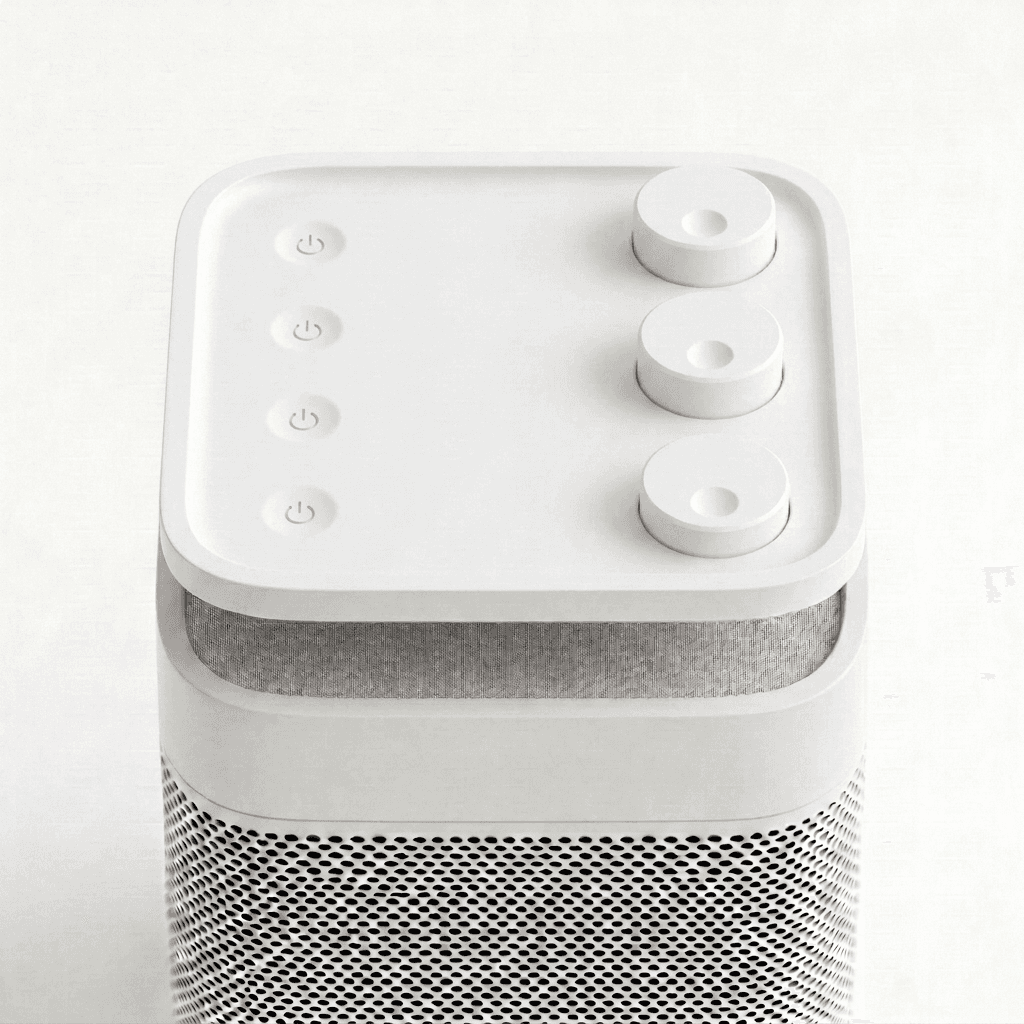
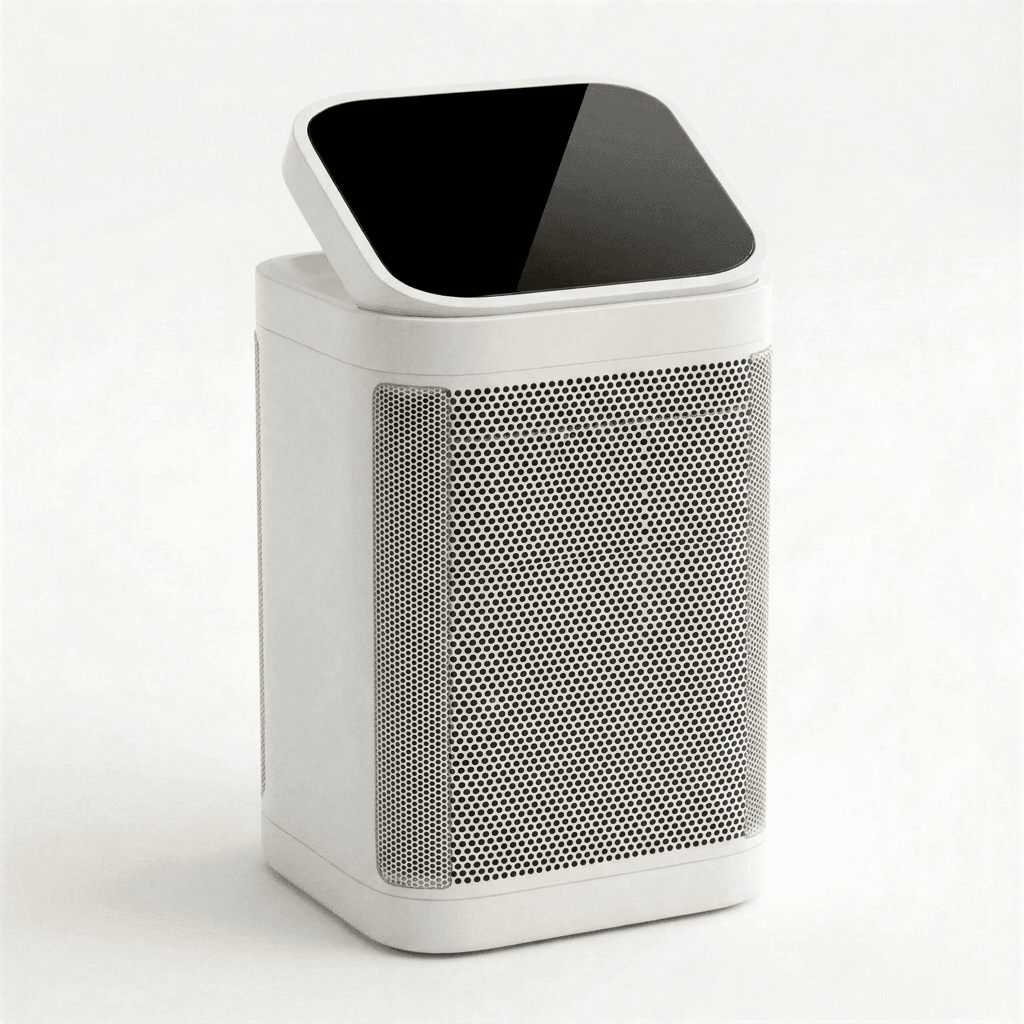
Vizom ideation

Figma components and screens design
Used AI to analyze the existing Sonos app’s design language, helping me recreate key assets and establish rough screen layouts. From there, I refined each screen in Figma, focusing on ways to improve the hierarchy, usability, and overall experience.

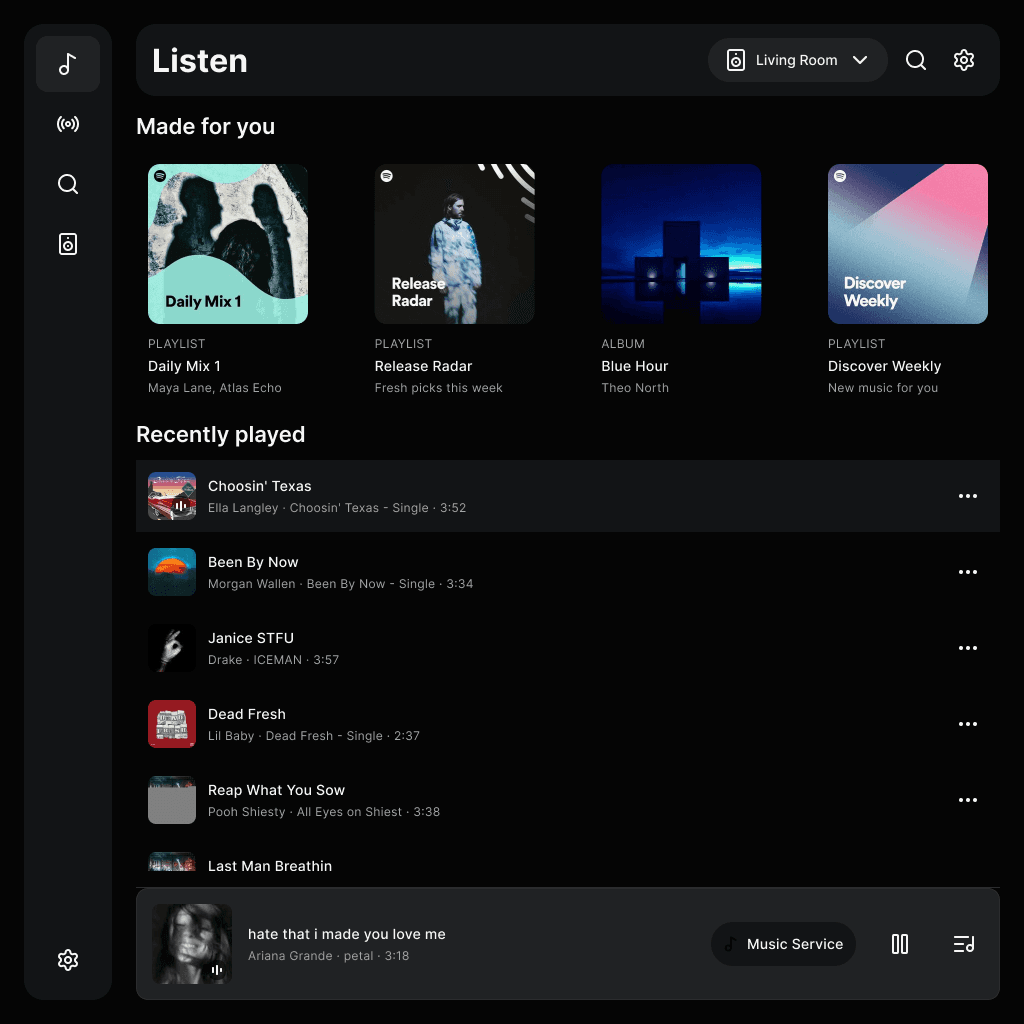

Home Screen
Browse Screen
Final Design

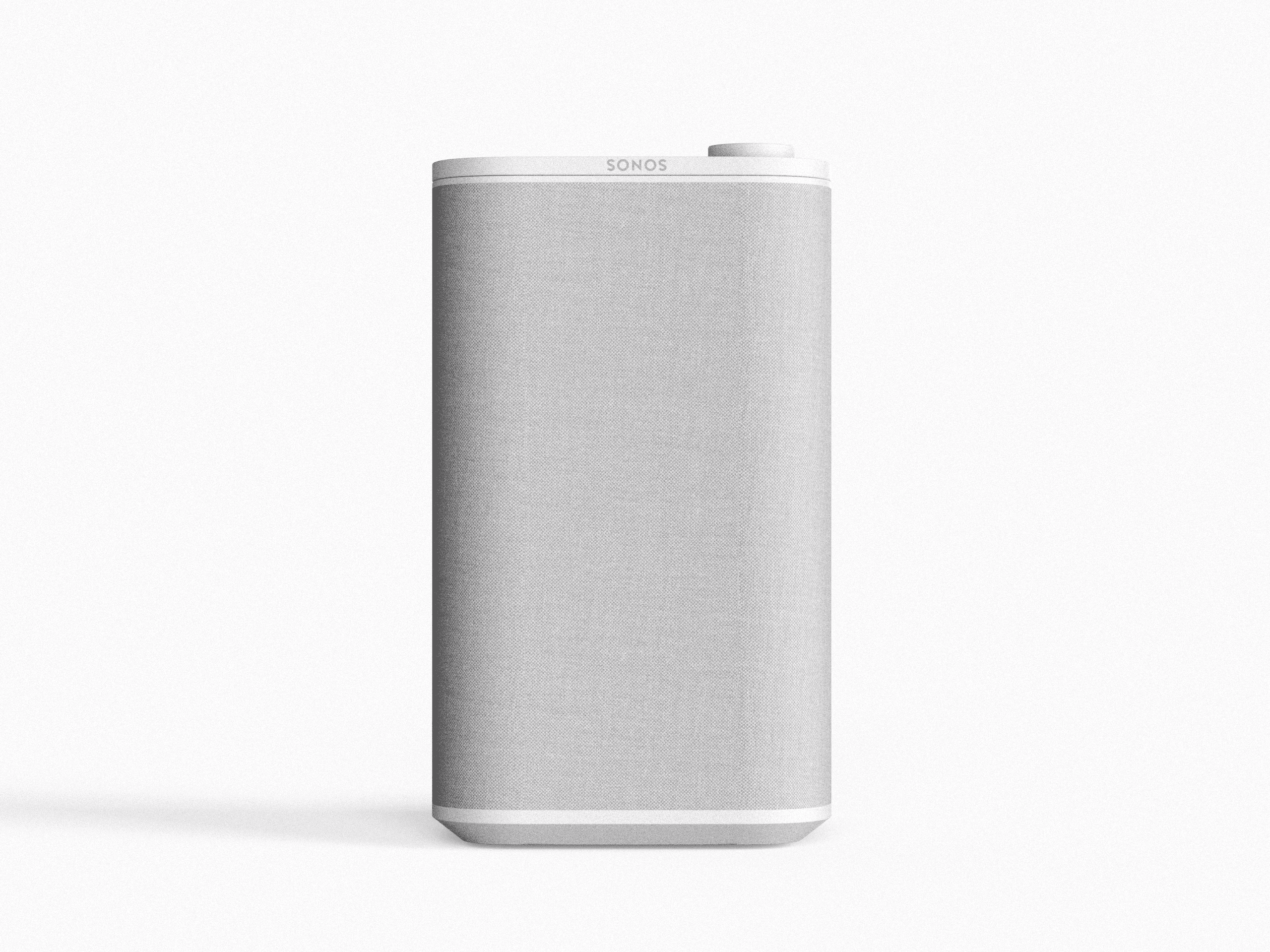


tac control


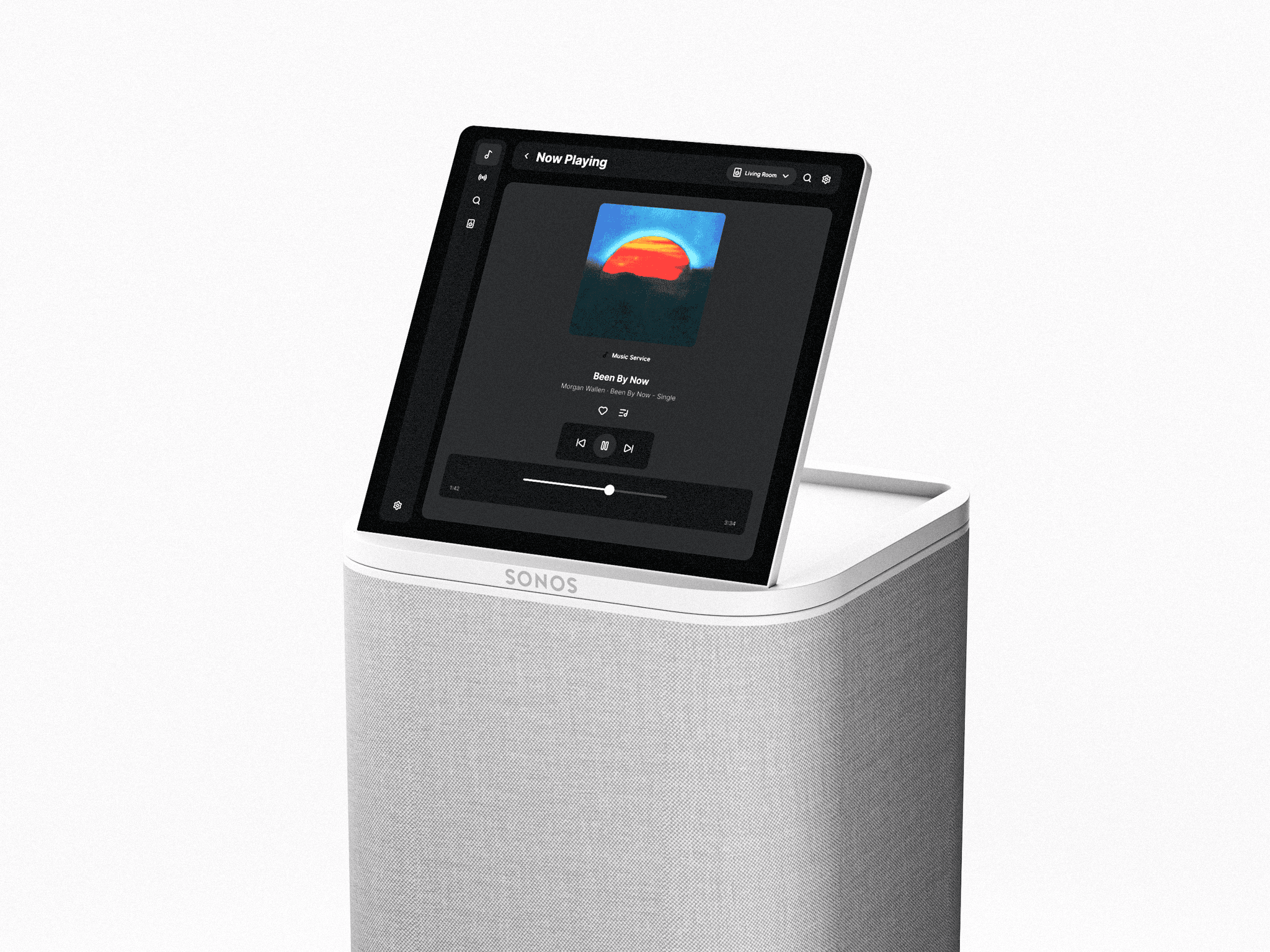


In context renders used a combination of photoshop lightroom and Vizcom.
+1-440-591-7265
jacob2se@mail.uc.edu